
Spiritism is more than a belief system—it’s a beacon of hope in a world full of unanswered spiritual questions. Imagine discovering that life doesn’t end with death, that every challenge has a purpose, and that we’re all on an eternal journey toward perfection. With a dash of cosmic humor (because who wouldn’t chuckle at the idea of spirits dropping life advice like cosmic text messages?), Spiritism invites us to see the universe as a loving classroom rather than random chaos. Founded in the 19th century, this doctrine blends science, philosophy, and morality to explain the “why” behind suffering, love, and growth—offering real comfort and optimism for seekers everywhere.
In this guide, we’ll dive deep into Spiritism, answering burning questions like “What is the concept of Spiritism?” and exploring its vibrant presence worldwide. Whether you’re curious about Spiritism pronunciation (it’s “SPIR-i-tiz-uhm,” by the way—roll that “r” for extra flair!) or seeking hope amid life’s mysteries, this article is your engaging roadmap.

What Is the Concept of Spiritism?
At its core, Spiritism is a doctrine that teaches the immortality of the soul, reincarnation as a path for evolution, and communication with spirits as a natural phenomenon. Codified by Allan Kardec (real name Hippolyte Léon Denizard Rivail), it’s not just about spooky séances—it’s a rational, hopeful framework blending Christianity’s moral teachings with scientific inquiry.
Think of it as life’s ultimate “glow-up” plan: We incarnate multiple times to learn lessons, correct mistakes, and grow closer to God. No eternal damnation here—just endless chances to improve. Hilariously hopeful, right? If you’ve ever wondered why bad things happen to good people, Spiritism says it’s all part of the curriculum for soul growth.
Key pillars:
- Soul immortality: You don’t vanish; you evolve.
- Reincarnation: Multiple lives for progress (no one gets it perfect the first time!).
- Spirit communication: Mediums relay messages from the spirit world, proving life continues.
- Moral law: Love, charity, and forgiveness as the fast track to happiness.
This concept brings profound hope, answering age-old questions like “What happens after death?” with evidence-based optimism.
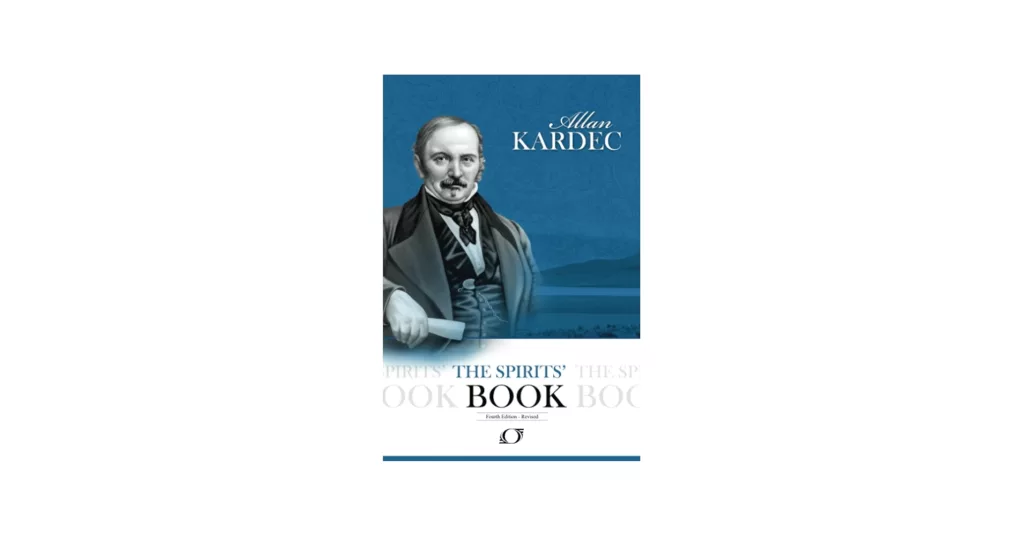
Get one on Amazon.com
The History of Spiritism: From Turning Tables to Global Doctrine
Spiritism exploded in the mid-1800s amid the Spiritualist craze of “table-turning” (where furniture supposedly danced via spirit energy—talk about a lively party!). In 1857, French educator Allan Kardec published The Spirits’ Book, compiling messages from spirits through mediums. He approached it scientifically, asking over 1,000 questions for consistent answers.
Kardec’s pseudonym honored ancient Druid reincarnations (he claimed past lives as one—fancy!). His works spread rapidly, especially in France (where it’s called spiritisme) and Germany (spiritismus). By his death in 1869, Spiritism had millions of followers, emphasizing charity and education over sensationalism.
Fun fact: Early skeptics tried debunking it, but Kardec’s logical method turned doubters into believers. Today, it’s a recognized doctrine offering hope through evidence, not blind faith.

Key Spiritism Beliefs: Reincarnation, Spirits, and Moral Progress
Spiritism beliefs center on hope-filled ideas that make life’s puzzles click into place:
- Reincarnation: Souls return in new bodies to evolve. Past mistakes? Fixed in future lives. It’s like video game levels—respawn and level up!
- Spirit World: Disincarnated souls live in realms based on merit, guiding us with love.
- Free Will and Karma: Actions have consequences, but forgiveness resets the slate.
- Charity as Supreme Law: Helping others accelerates growth—pure, practical hope.
Examples of Spiritism in action: Mediums receiving comforting messages from departed loved ones, or psychographed books with profound wisdom.
For deeper exploration, check external resources like the International Spiritist Council for authentic teachings.

Who Is God in Spiritism?
In Spiritism, God is the Supreme Intelligence, the First Cause of all things—eternal, immutable, just, and infinitely good. No anthropomorphic bearded figure; instead, a loving Creator who designed laws for our progress.
Humorously, God isn’t a micromanager punishing missteps but a wise parent allowing us to learn through experience. This view instills hope: We’re all children of the same divine source, destined for perfection.
Spiritism vs Spiritualism: Key Differences
Often confused, but distinct:
- Spiritualism: Focuses on proving survival after death via phenomena (common in English-speaking worlds).
- Spiritism: Builds on that with reincarnation, moral philosophy, and Jesus as the ultimate guide (Kardecist, prominent in Brazil and Latin America).
Spiritism is Spiritualism’s “philosophical big brother”—deeper, more structured, and reincarnation-focused. No rivalry; both offer hope, but Spiritism adds evolutionary depth.
Why Does the Bible Forbid Spiritism? Understanding Spiritism in the Bible
Critics point to verses like Deuteronomy 18:10-12, forbidding mediums and necromancy as abominations. Spiritism respects this but clarifies: Biblical prohibitions targeted ancient sorcery and divination for gain, not ethical communication for moral uplift.
Kardec argued that true Spiritism aligns with Jesus’ teachings on love and charity. It’s not forbidden fruit—it’s enlightened dialogue. This perspective brings hope, reconciling faith with inquiry.
For biblical context, see Deuteronomy 18 on Bible Gateway.
Spiritism in the World and Spiritism in Brazil
Spiritism is global, but Brazil is its heartbeat—with over 20 million adherents and thousands of centers offering free healing and charity. Blended with local culture, Brazilian Spiritism emphasizes passes (energy healing) and soup kitchens.
Worldwide, it’s growing in Europe, the US, and beyond, providing community and hope amid modern isolation.

Modern Spiritism: Aesthetic, Tattoos, and Illustrations
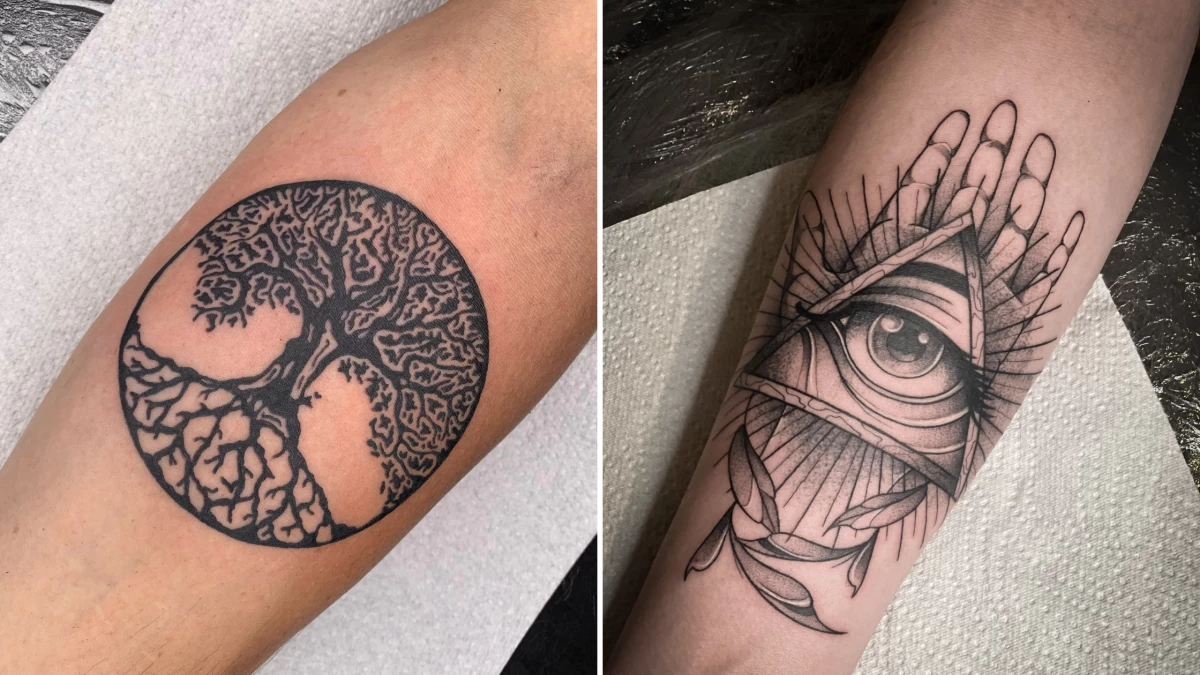
Today’s Spiritism has a beautiful spiritism aesthetic—ethereal art with flowing lights, symbols of infinity, and reincarnation wheels. Spiritism tattoo designs feature phoenixes for rebirth or intertwined souls for connection. Vintage spiritisme illustration from France adds nostalgic charm, while spiritismus art in Germany leans philosophical.
These expressions make ancient wisdom feel fresh and hopeful.

Relatable Testimonials: Real Hope from Spiritism
Meet Ana from Brazil: “After losing my son, despair consumed me. A Spiritist center’s message from him—’Mom, I’m learning and happy’—healed my heart. Spiritism gave me hope that love never dies.”
Or Tom in the US: “Skeptical at first (I thought séances were movie stuff!), but a reading explained my lifelong fears from a ‘past life.’ Now, I face challenges with humor and optimism—Spiritism turned my ‘why me?’ into ‘what can I learn?'”
Sarah shares: “Chronic illness made me question everything. Spiritism taught me suffering refines the soul. With charity work, I found purpose—and joy!“
These stories (inspired by countless real accounts) show Spiritism’s power to transform grief into growth.
Complement Your Journey: Discover Personalized Spiritual Insights
While Spiritism focuses on reincarnation and moral laws, many find complementary hope in celestial influences. For a fun, modern twist, try a personalized moon reading—it reveals how lunar energies align with your soul’s path, adding cosmic guidance to your Spiritist exploration.

Spiritism Frequently Ask Questions
What is the concept of Spiritism?
A doctrine of soul immortality, reincarnation, spirit communication, and moral progress for eternal hope.
Who is God in Spiritism?
The Supreme Intelligence—eternal, just, and loving Creator of universal laws.
What is the difference between spirituality and spiritism?
Spirituality is a broad personal connection; spiritism is a specific doctrine with reincarnation and codified teachings.
Why does the Bible forbid Spiritism?
It warns against abusive practices; ethical Spiritism aligns with love and charity.
Spiritism pronunciation?
“SPIR-i-tiz-uhm.”
Spiritism examples?
Medium messages, charity centers, and reincarnation therapy.
Conclusion: Embrace the Hopeful Light of Spiritism
Spiritism isn’t just a religion—it’s a lifeline of hope, proving we’re eternal beings on a joyful path to perfection. In a world of uncertainty, it whispers: Death is a doorway, suffering is a teacher, and love is the ultimate force. With humor in its human quirks and profound answers to spiritual voids, Spiritism invites you to live boldly, love deeply, and evolve eternally.
Whether through a center visit, Kardec’s books, or quiet reflection, let Spiritism light your way. The universe is rooting for you—and so are the spirits!
