
Identification types of chrysalis fascinate nature lovers and spiritual seekers alike. That quiet, hanging jewel in your garden? It’s not just a shell—it’s a sacred pause, a divine “in-between” where a crawling caterpillar dissolves and re-emerges with wings. Think of it as nature’s ultimate glow-up: a hilarious yet profound reminder that even in our messiest, stuck phases (hello, spiritual cocoon moments!), something winged and wonderful is brewing. This guide dives deep into identification types of chrysalis, blending practical tips with hopeful, soul-stirring wisdom. You’ll learn to spot them, understand their magic, and maybe even find hope for your own unanswered questions about change.
What Is a Chrysalis? (And Why It Feels Like a Spiritual Hug)
A chrysalis (or pupa) is the transformative stage where a butterfly caterpillar restructures itself into an adult. Unlike moths, butterflies form a hard, smooth shell directly from their last larval skin—no fluffy silk blanket needed. It’s raw, vulnerable, and utterly miraculous.
Spiritually? The chrysalis whispers hope: “Dark, quiet times aren’t endings—they’re preparations for flight.” If you’ve ever felt stuck in life’s “pupa phase,” wondering why growth hurts, this stage answers with gentle humor: Patience, dear one. Wings are coming!
Chrysalis vs. Cocoon: Don’t Mix Up Nature’s Wardrobes!
People often confuse them—guilty as charged? Here’s the funny truth:
- Chrysalis: Butterfly exclusive. Hard, naked pupa hanging boldly (often by a silky “cremaster” thread). No extra layers—just pure vulnerability.
- Cocoon: Moth specialty. Silky protective case, sometimes wrapped in leaves (like Luna moth’s cozy leaf burrito).
Pro tip: If it’s silky and hidden, it’s a cocoon. If it’s sleek and swinging, chrysalis alert! This distinction brings spiritual clarity too—sometimes we need raw exposure for true growth, not endless hiding.
Important resource: Florida Museum – Cocoon vs. Chrysalis
How Do I Identify a Chrysalis? Key Features for Identification Types of Chrysalis
Spotting identification types of chrysalis is easier than you think:
- Shape & Attachment: Angular or smooth? Hanging by cremaster or girdled with silk?
- Color: Bright green (fresh)? Brown (camouflage)? Gold-speckled?
- Location: On milkweed? Herbs? Tw.org for regional guides.
- Texture: Smooth, spiky, or mottled?
People Also Ask: What color should a chrysalis be? Healthy ones vary—vibrant green to earthy brown. Fading or blackening can signal issues, but many brown chrysalises are perfectly normal camouflage masters.
People Also Ask: How long does it take for a chrysalis to turn into a butterfly? Usually 8–15 days, depending on species and temperature. Monarchs? About 10–14 days of pure suspense!
Common Identification Types of Chrysalis: Spotlight on Favorites
Monarch Butterfly Chrysalis: The Jade Jewel with Gold Bling
The superstar of identification types of chrysalis! Bright jade green with a golden band and sparkling dots—like nature bedazzled it. Found hanging from milkweed.
Spiritual nudge: Monarchs teach migration and resilience. Your “chrysalis season” might feel isolating, but it’s building strength for epic journeys.

Pro Link: Monarch Watch Identification Guide
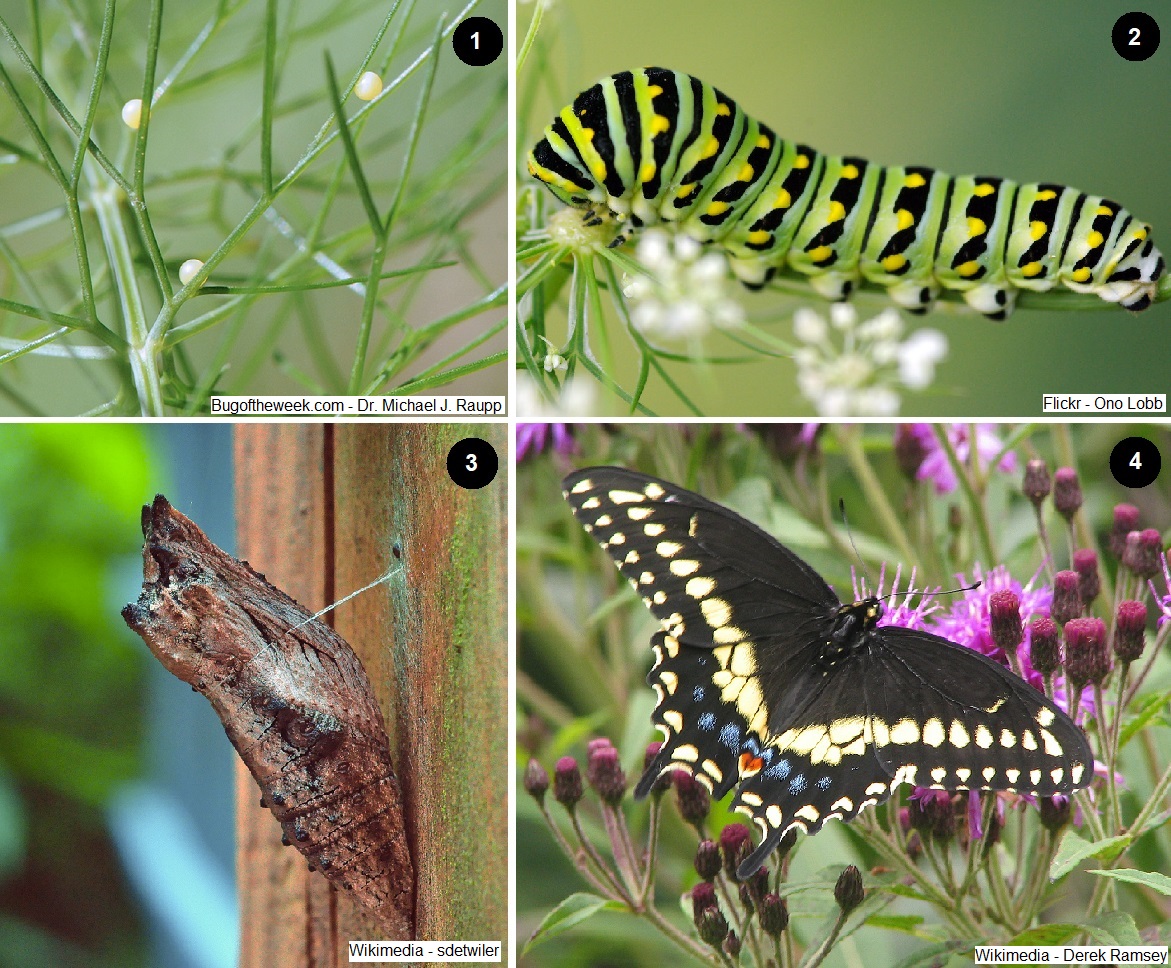
Black Swallowtail Chrysalis Identification: The Master of Disguise
Dual personality alert! Fresh ones are vibrant green with yellow/black markings. Overwintering? Woody brown for perfect twig camouflage. Look for the silk “girdle” belt holding it upright.
Humor break: It’s like the butterfly said, “Green for summer vibes, brown for winter stealth mode.” Spiritual lesson? Adaptability—sometimes we blend in to survive tough seasons.

Painted Lady Chrysalis: Subtle Beauty
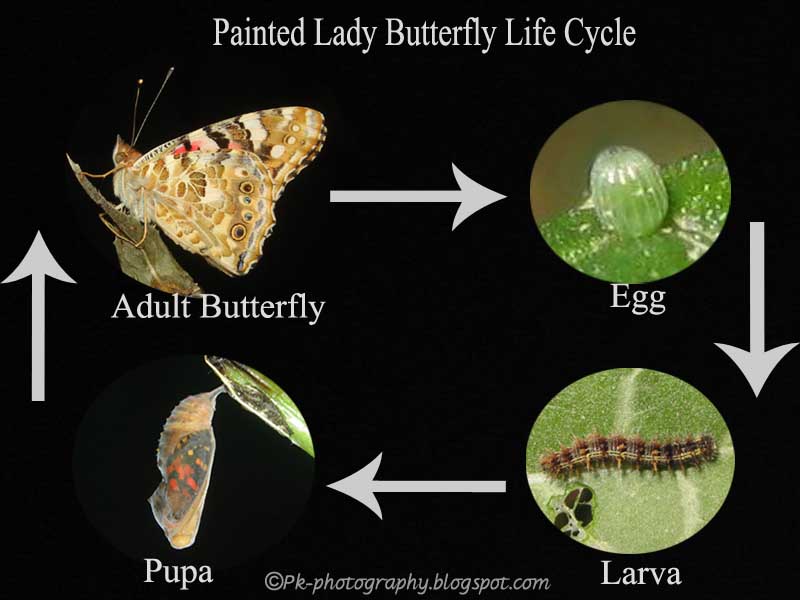
Mottled gray-brown with subtle gold or silver spots. Less flashy, more mysterious—often found on thistles.
Hopeful whisper: Painted ladies migrate thousands of miles. Your quiet chrysalis moments? Fuel for incredible journeys ahead.
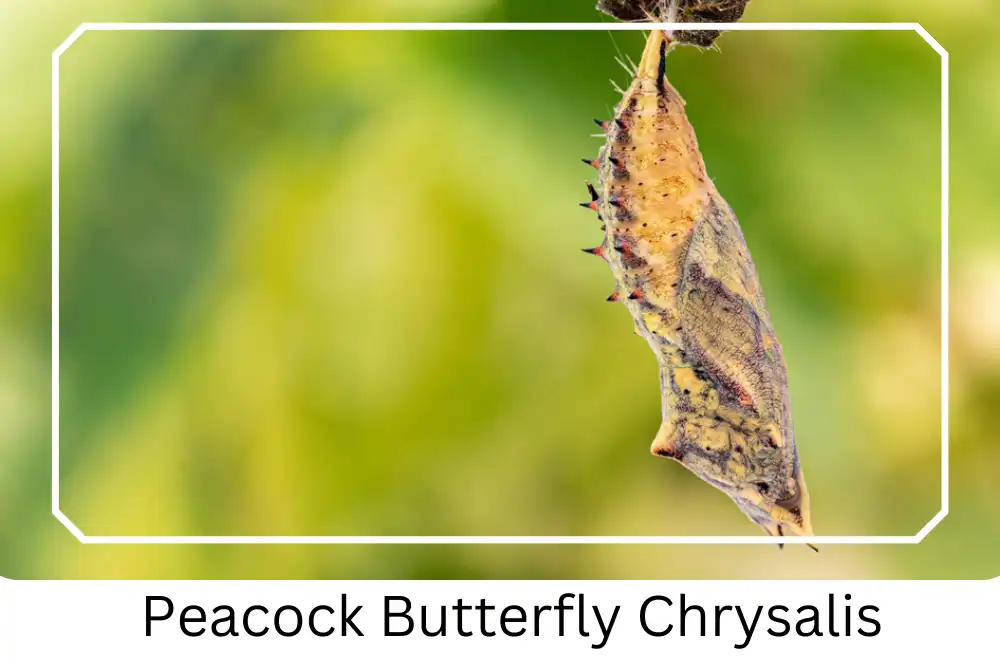
Peacock Butterfly Chrysalis: Spiky Drama Queen
Angular, spiky, and dramatic—gray-brown with black/red accents. Looks like a tiny medieval weapon!
Spiritual humor: If transformation feels prickly, you’re in good company. Beauty often hides behind defenses.
Luna Moth “Cocoon”: The Leaf-Wrapped Dreamer
Technically a cocoon (silk + leaf wrap), but worth mentioning for contrast. Soft brown, hidden in leaf litter.
Spiritual tie: Luna = moon. Mysterious night beauty emerging from hidden rest.
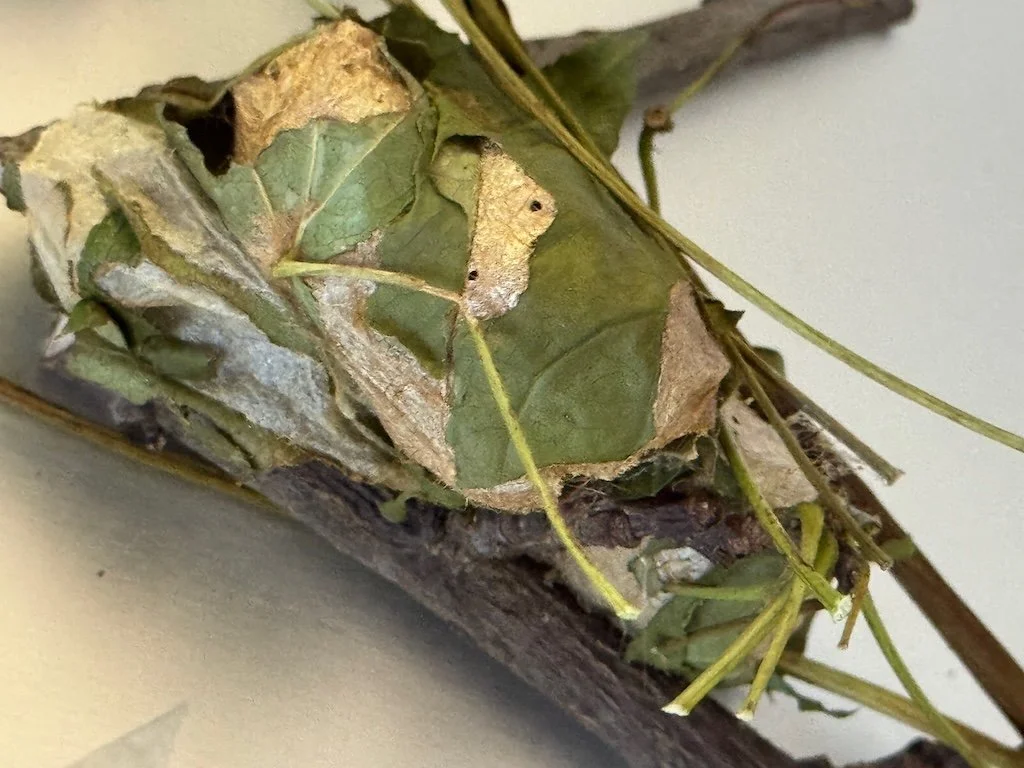
Brown Chrysalis Identification: Not All Are Monarchs!
Brown chrysalises scream camouflage! Common culprits:
- Black swallowtail (winter form)
- Some skippers
- Overwintering species
Brown Chrysalis Identification Pictures & Tips: Look for girdles (swallowtail) or attachment points. Never disturb—nature’s hiding game is strong.


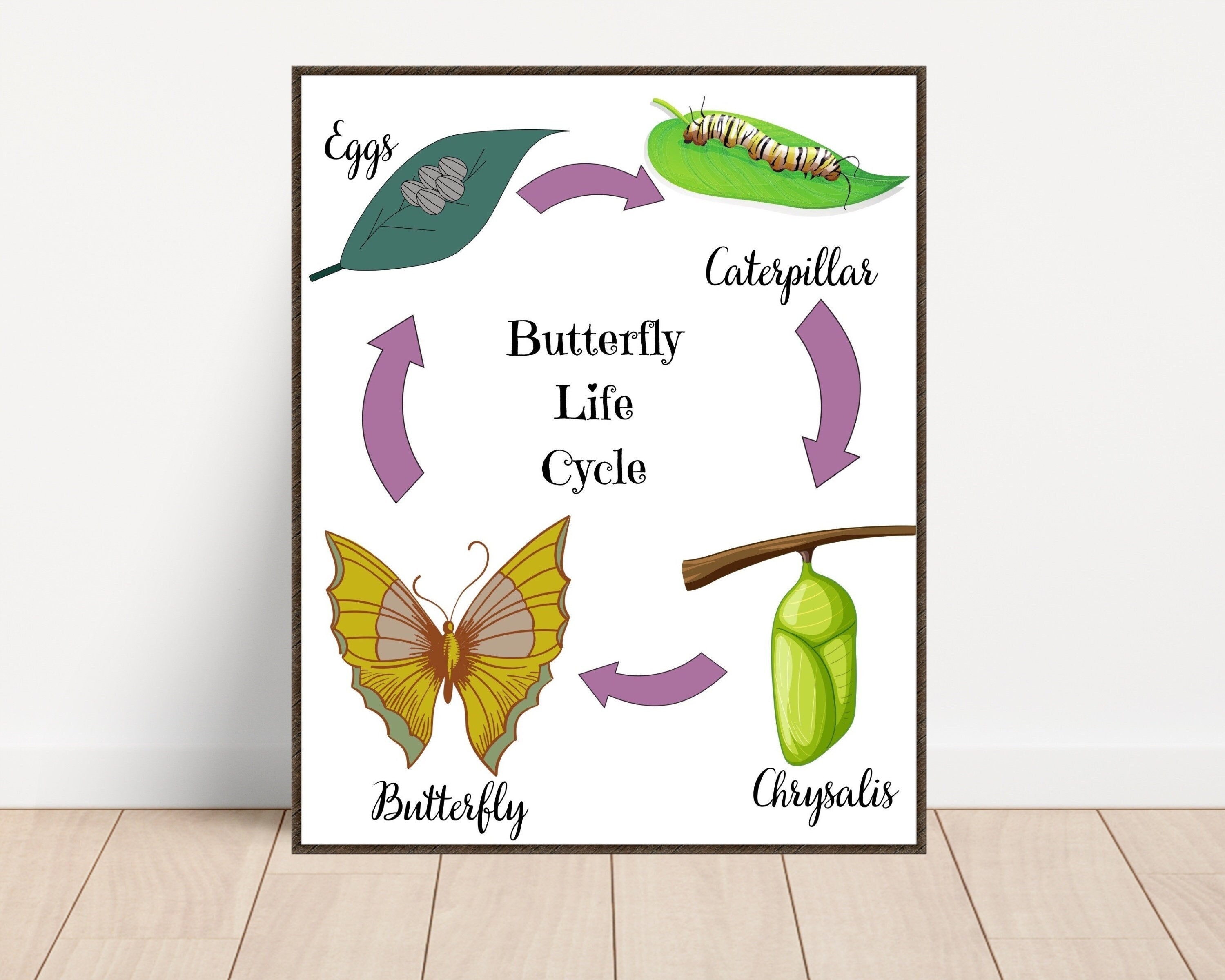
Chrysalis Identification Chart: Visual Quick Guide

The Spiritual Hope Hidden in Every Chrysalis
Ever wonder why transformation feels so hard? The chrysalis holds the answer: total dissolution before rebirth. Science calls it histolysis—old structures melt into “imaginal soup,” reforming as wings. Spiritually? It’s resurrection hope. Christianity sees it as Easter symbolism. Many traditions view butterflies as souls or messages from ancestors.
Funny yet profound: God/Universe has a sense of humor—turning a leaf-munching worm into sky-dancing art. If you’re in a dark pupa phase, questioning everything, remember: the soup stage is temporary. Wings are coded in your DNA.
Just as moon phases guide tides and inner rhythms, your personal lunar blueprint can illuminate transformation timing. Discover your moon reading for profound spiritual insights: Moon Reading
:max_bytes(150000):strip_icc()/christian-cross-setting-reborn-butterflies-free-background-1138190305-3a814e25df3c48daa8a1160eeebd3a51.jpg)
Heartwarming Testimonials: Real People, Real Hope
“I found a monarch chrysalis during my divorce—ugly crying in the garden. Watching it turn transparent, then emerge… it felt like permission to fall apart and rebuild stronger. Pure hope.” – Sarah, Texas
“Raising black swallowtails with my kids taught us patience. One brown ‘dead-looking’ chrysalis overwintered—emerged perfectly in spring! Reminder: some transformations take seasons.” – Jamal, Ohio
“My peacock chrysalis looked scary-spiky. When the stunning butterfly emerged, I laughed—my anxious phase had wings underneath all along!” – Priya, UK
Frequently Asked Questions
How do I identify a chrysalis?
Look at color, shape, attachment method, and host plant. Monarchs are jade with gold; swallowtails often girdled.
How long does it take for a chrysalis to turn into a butterfly?
Typically 8-15 days, though some overwinter for months. Temperature affects timing!
What color should a chrysalis be?
Varies by species and season—bright green to brown. Brown is often camouflage, not death!
How to identify cocoon vs chrysalis?
Cocoons are silky (moths); chrysalises are hard-shelled (butterflies)
